
Football is more than just a sport—it is a universal language that connects people across cultures, continents, and generations. Known as soccer in some parts of the world, football is the most popular game globally, played and followed by billions. From dusty streets to grand stadiums, the essence of football lies in its simplicity, excitement, and ability to bring people together.
The Origins and Evolution of Football
The roots of it can be traced back thousands of years, with early forms of the game played in ancient civilizations such as China, Greece, and Rome. However, modern football as we know it today began to take shape in 19th-century England. The establishment of standardized rules by The Football Association in 1863 marked a turning point, creating a structured version of the game.
Over time, it spread across Europe and eventually to every corner of the world. Today, international competitions like the FIFA World Cup showcase the sport at its highest level, uniting nations in a shared passion every four years.
Why Football is So Popular
One of the main reasons behind football’s massive popularity is its accessibility. It only needs a ball and an open area, unlike many other sports. This simplicity allows people from all economic backgrounds to participate and enjoy the game.
Another factor is the emotional connection fans develop with their teams and players. Clubs like FC Barcelona, Manchester United, and Real Madrid have millions of loyal supporters worldwide. These fans celebrate victories passionately and endure defeats together, forming a strong sense of community.
The Rules and Structure of the Game
Football is played between two teams of eleven players each, with the primary objective being to score goals by getting the ball into the opponent’s net. The game is typically played in two halves of 45 minutes each, with a short break in between.
Players are not allowed to use their hands or arms (except for the goalkeeper), and teamwork is essential. Passing, dribbling, and strategic positioning are key elements that determine success on the field. Referees ensure that rules are followed, maintaining fairness and discipline throughout the match.
Iconic Players Who Shaped It
Football has produced countless legends whose skills and achievements have inspired millions. Among them, Pelé is often regarded as one of the greatest players in history, known for his incredible goal-scoring ability and three World Cup victories.
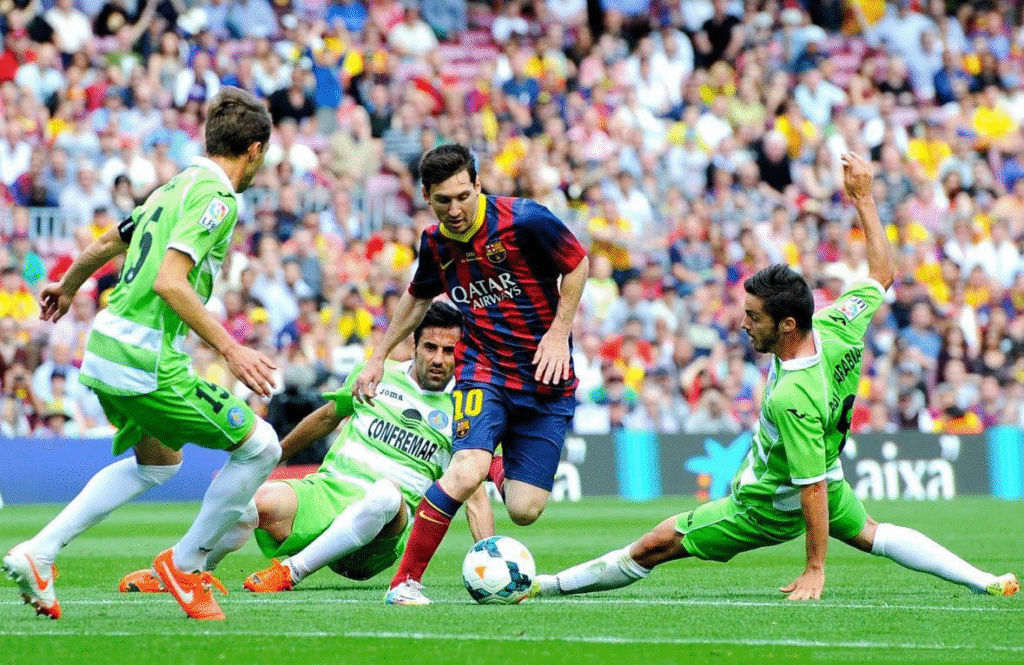
Another icon, Diego Maradona, mesmerized fans with his extraordinary talent and unforgettable performances, especially during the 1986 World Cup. In the modern era, the rivalry between Lionel Messi and Cristiano Ronaldo has defined a generation. Both players have broken numerous records and set new standards of excellence, inspiring young footballers around the globe.
Football’s Impact on Society
It is not just entertainment—it plays a significant role in shaping society. It promotes physical fitness, teamwork, discipline, and leadership skills. For many young people, it offers a pathway to success, providing opportunities for education, career growth, and international exposure.
Moreover, football has the power to bring about social change. Organizations like FIFA and various charities use the sport to address global issues such as poverty, inequality, and education. Campaigns promoting unity, respect, and fair play are often integrated into major tournaments.
Major Football Competitions
Football is celebrated through numerous competitions at both club and international levels. The UEFA Champions League is one of the most prestigious tournaments in club football, featuring top teams from across Europe competing for glory.
At the international level, the FIFA World Cup remains the pinnacle of football achievement. Other notable tournaments include continental championships such as the European Championship and Copa América, which showcase regional talent and rivalries.
The Role of Fans in It
Fans are the heartbeat of football. Their energy, passion, and unwavering support create an electrifying atmosphere in stadiums. Chants, songs, and colorful displays known as tifos add to the spectacle, making each match a memorable experience.
With the rise of digital platforms, fans can now connect with their favorite teams and players more easily than ever. Social media has transformed how supporters engage with the sport, allowing them to share opinions, celebrate victories, and discuss matches in real time.
The Future of Football
As technology continues to evolve, football is also adapting to modern advancements. Innovations such as Video Assistant Referee (VAR), goal-line technology, and data analytics are enhancing the accuracy and fairness of the game.
Women’s football is another rapidly growing area, gaining increased recognition and support globally. Tournaments like the FIFA Women’s World Cup are attracting larger audiences and inspiring more girls to take up the sport.
The Importance of Teamwork in Football
It is a sport where teamwork plays a central role in determining success. Each player on the field has a unique responsibility, and the outcome of the game depends on how well these roles are performed together. Defenders must coordinate to stop attacks, midfielders must control possession, and forwards must finish scoring opportunities. Without proper teamwork, even the most talented players can struggle to make an impact.
In addition to technical coordination, teamwork in football also builds trust and understanding among players. Communication, quick decision-making, and mutual support are essential during fast-paced matches. Teams that work together effectively often outperform those that rely solely on individual skills. This is why coaches emphasize unity and cooperation as much as physical ability and technique.
Football as a Career Opportunity
It offers a wide range of career opportunities beyond just playing professionally. While many dream of becoming star players, the sport also includes roles such as coaching, refereeing, sports journalism, and management. These careers contribute to the overall growth of the football industry and provide opportunities for people with different skills and interests.
For aspiring players, reaching the professional level requires dedication, discipline, and consistent practice. It academies and training programs help young talents develop their abilities and gain exposure. Although the journey can be challenging, those who succeed often enjoy financial stability, global recognition, and the chance to inspire others through their achievements.

The Role of Technology in Modern Football
Technology has become an important part of modern football, improving both the accuracy of decisions and the overall experience of the game. Tools like goal-line technology ensure that referees can determine whether a goal has been scored, while VAR helps review controversial decisions such as penalties and offsides. These advancements reduce errors and increase fairness in matches.
Beyond officiating, technology is also used to enhance player performance and team strategies. Data analysis allows coaches to study opponents, track player movements, and make informed decisions. Fitness trackers and wearable devices monitor health and performance levels, helping players maintain peak condition. As technology continues to evolve, it will play an even bigger role in shaping its future.
Conclusion
Football is more than just a game—it is a global phenomenon that transcends boundaries and unites people from all walks of life. Its rich history, legendary players, passionate fans, and cultural impact make it one of the most influential sports in the world.
Whether played professionally in packed stadiums or casually in local neighborhoods, football continues to inspire, entertain, and bring joy to millions. As the sport evolves, its essence remains unchanged—a simple yet powerful game that connects humanity through shared passion and love.