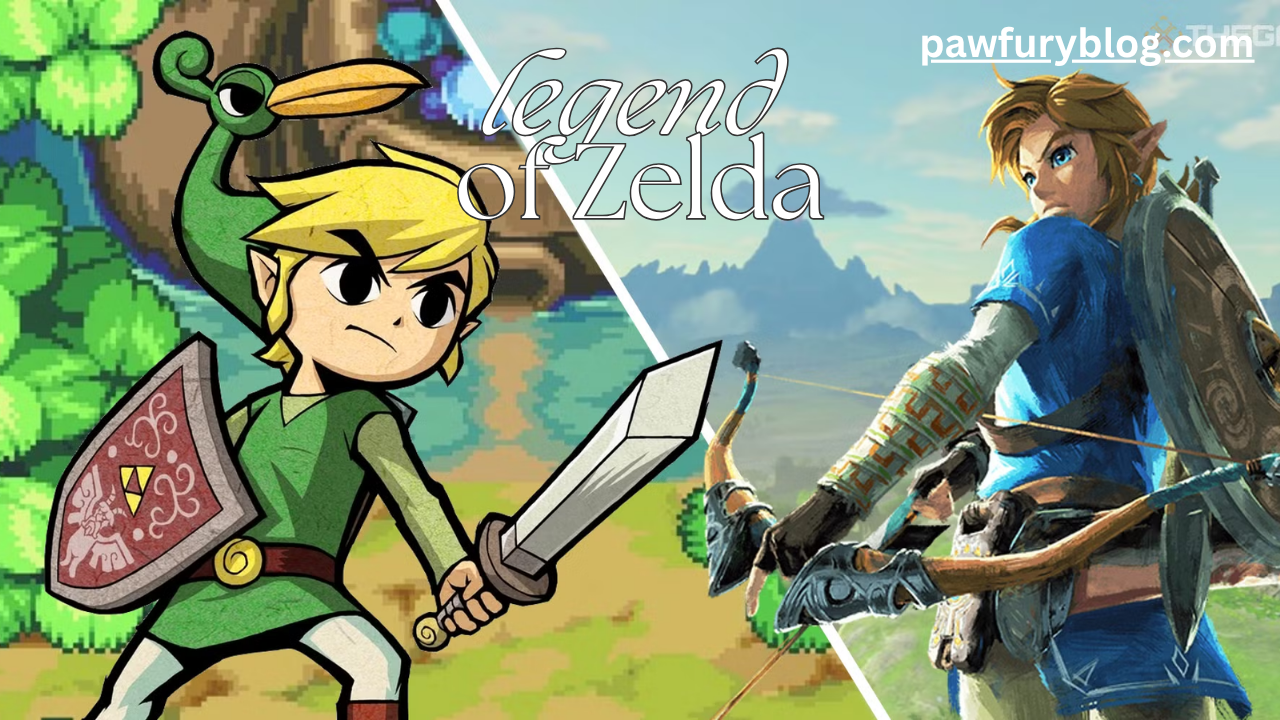
The Legend of Zelda is more than just a video game series—it is a journey that has captured players’ imaginations for decades. Since its debut in 1986, it has blended storytelling, exploration, and puzzle-solving in a way that feels both immersive and timeless. From its earliest adventures to its modern masterpieces, the franchise continues to deliver experiences that resonate deeply with gamers of all ages.
What makes the Legend of Zelda truly special is its ability to evolve while preserving its core identity. Each installment introduces new ideas, mechanics, and worlds, yet it always retains the sense of wonder and discovery that defines the series. This balance between innovation and tradition is what keeps players returning, eager to embark on another unforgettable adventure.
The Origins of a Timeless Adventure
The Legend of Zelda began as a bold experiment by Shigeru Miyamoto, who wanted to recreate the sense of exploration he felt as a child wandering through forests and caves. When it launched in 1986 on the Nintendo Entertainment System, it introduced players to a vast open world that felt alive and mysterious. Unlike many games of its time, it encouraged curiosity instead of simply guiding players from point A to point B.
From its earliest days, The Legend of Zelda stood apart because it trusted players to think for themselves. Hidden secrets, nonlinear gameplay, and a sense of wonder became its foundation. This approach not only defined the franchise but also influenced countless games that followed, shaping the adventure genre as we know it today.
The Iconic Characters That Define the Story
At the heart of the Legend of Zelda are unforgettable characters like Link, Princess Zelda, and Ganon. Link, often portrayed as a silent hero, represents courage and determination, allowing players to project themselves into his journey. Princess Zelda is far more than a damsel; she embodies wisdom, often guiding the story with intelligence and strength.
Ganon, on the other hand, symbolizes power and destruction, creating a timeless struggle between good and evil. The Legend of Zelda uses these characters not just as story elements but as archetypes that resonate across generations. Their dynamic relationships keep players emotionally invested, making each installment feel both familiar and fresh.
A World Built on Exploration and Mystery
One of the defining features of the Legend of Zelda is its immersive world-building. From the lush fields of Hyrule to eerie dungeons filled with puzzles, every environment is crafted with purpose. Players are encouraged to explore every corner and are rewarded for their curiosity with hidden treasures and unexpected discoveries.
This sense of mystery is what keeps players coming back. The Legend of Zelda doesn’t just tell you where to go; it invites you to find your own path. Whether it’s uncovering a secret cave or solving an intricate puzzle, the journey feels personal and rewarding in a way few games achieve.
Evolution Across Generations
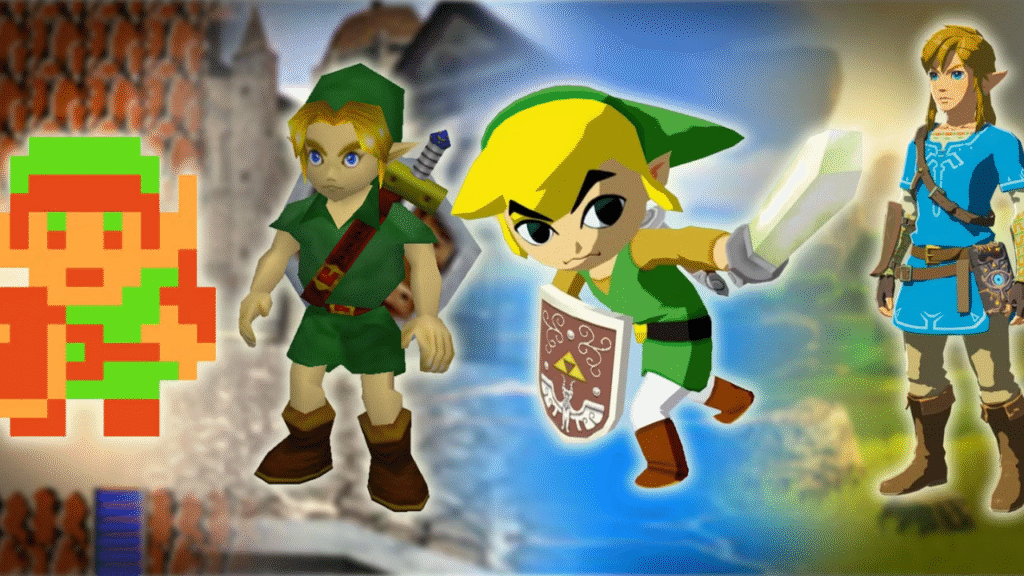
Over the decades, The Legend of Zelda has continuously evolved while staying true to its roots. Titles like The Legend of Zelda: Ocarina of Time revolutionized 3D gaming, while The Legend of Zelda: Breath of the Wild redefined open-world design. Each game brings something new, ensuring the franchise never feels outdated.
Despite these innovations, the essence remains intact. The Legend of Zelda consistently balances tradition with innovation, which is why it appeals to both longtime fans and newcomers. This ability to evolve without losing identity is a rare achievement in the gaming industry.
Music That Leaves a Lasting Impression
Music plays a crucial role in The Legend of Zelda, enhancing the emotional depth of every moment. Composed by legends like Koji Kondo, the soundtrack features iconic melodies that are instantly recognizable. From the overworld theme to serene village tunes, each piece adds to the game’s atmosphere.
The Legend of Zelda uses music not just as background sound but as a storytelling tool. Certain melodies evoke nostalgia, while others build tension or excitement. This thoughtful use of audio design helps create a deeply immersive experience that stays with players long after they put down the controller.
Gameplay That Balances Action and Puzzle-Solving
Another reason the Legend of Zelda stands out is its unique blend of combat and puzzles. Players must not only defeat enemies but also solve complex challenges that require logic and creativity. This balance keeps gameplay engaging and prevents it from becoming repetitive.
The Legend of Zelda ensures that every dungeon feels like a test of both skill and intelligence. Whether it’s cleverly using a newly acquired item or figuring out a hidden mechanism, the sense of accomplishment is unmatched. This design philosophy has become a hallmark of the series.
Cultural Impact and Legacy
Few franchises have had the cultural impact of The Legend of Zelda. It has inspired countless developers, influenced game design worldwide, and built a dedicated fanbase that spans generations. Its themes of courage, wisdom, and power resonate beyond gaming, making it a cultural phenomenon.
The legend of Zelda continues to inspire new stories, adaptations, and discussions, proving its lasting relevance. As technology advances, the franchise evolves, but its core message remains the same: adventure awaits those who dare to explore. This enduring legacy ensures it will remain a cornerstone of gaming history for years to come.

Why It Still Matters Today
Even in a rapidly changing gaming landscape, The Legend of Zelda remains a benchmark for quality and creativity. Modern titles continue to push boundaries, yet they often draw inspiration from the principles established by this iconic series. Its influence can be seen in open-world exploration, puzzle design, and storytelling techniques.
The Legend of Zelda matters because it reminds us of the magic of discovery and the joy of adventure. It’s more than just a game series—it’s an experience that connects players across time and space. As long as there are stories to tell and worlds to explore, its legacy will continue to shine.
Conclusion
The Legend of Zelda stands as one of the most influential and beloved franchises in gaming history. Its ability to combine rich storytelling, engaging gameplay, and emotional depth has ensured its place in the hearts of millions. Even after decades, it continues to inspire both players and developers, proving that great ideas never fade.
Looking ahead, The Legend of Zelda shows no signs of slowing down. With each new release, it redefines what games can achieve while staying true to its roots. Its legacy is a testament to the power of creativity and imagination, reminding us that the spirit of adventure will always have a place in our lives.